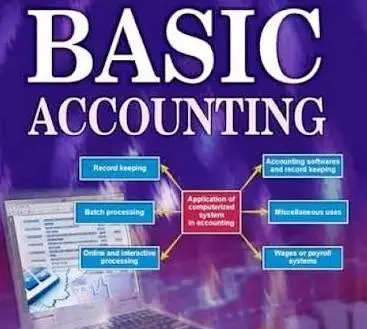
What you'll learn
Accounting is the process of recording, classifying, summarizing, analyzing, and interpreting financial transactions of a business or organization. It helps in knowing the financial position and performance of the business and is used for decision-making by owners, managers, investors, and government authorities.
In simple words
Accounting is the language of business because it provides information about income, expenses, assets, liabilities, and profit or loss.
Main functions of accounting
- Recording financial transactions
- Preparing financial statements
- Calculating profit or loss
- Showing assets and liabilities
- Helping in business planning and decision-making
- Maintaining legal and tax records
Show More
Course Syllabus
Unit 1: Introduction to Accounting
- Meaning and objectives of accounting
- Importance and limitations of accounting
- Accounting concepts and conventions
- Users of accounting information
Unit 2: Accounting Terminology
- Assets and liabilities
- Capital and drawings
- Revenue and expenses
- Income, expenditure, profit and loss
- Debtors and creditors
- Goods, purchases and sales
Unit 3: Accounting Equation
- Accounting equation: Assets = Capital + Liabilities
- Effects of business transactions on the accounting equation
Unit 4: Double Entry System
- Principles of double entry
- Debit and credit rules
- Types of accounts:
- Personal account
- Real account
- Nominal account
Unit 5: Journal
- Meaning and features of journal
- Journal entries for common transactions
- Opening entries
- Compound entries
Unit 6: Ledger
- Posting from journal to ledger
- Balancing ledger accounts
Unit 7: Cash Book
- Single column cash book
- Double column cash book
- Triple column cash book
- Petty cash book
Unit 8: Subsidiary Books
- Purchase book
- Sales book
- Purchase returns book
- Sales returns book
- Bills receivable book
- Bills payable book
Unit 9: Trial Balance
- Meaning and objectives
- Preparation of trial balance
- Errors disclosed and not disclosed by trial balance
Unit 10: Bank Reconciliation Statement (BRS)
- Meaning and need of BRS
- Causes of difference between cash book and pass book
- Preparation of BRS
Unit 11: Depreciation
- Meaning and causes of depreciation
- Methods:
- Straight line method
- Written down value method
Unit 12: Final Accounts
- Trading account
- Profit and loss account
- Balance sheet
- Adjustments in final accounts
Unit 13: Rectification of Errors
- Types of accounting errors
- Rectification entries
Unit 14: Introduction to Computerized Accounting
- Meaning and advantages
- Basic features of accounting software (Tally/Busy/MS Excel)
- Creating company, ledger and voucher entry
Practical Work
- Journalizing transactions
- Ledger posting
- Preparation of cash book
- Preparation of trial balance
- Preparation of trading account, profit and loss account and balance sheet
- Simple Tally voucher entries
Learning Outcomes
After completing this syllabus, the student should be able to:
- Record business transactions correctly.
- Prepare journal, ledger and cash book.
- Prepare trial balance.
- Prepare basic financial statements.
- Understand the financial position and profit of a business.
- Use basic computerized accounting software.

 Bestseller